Júlio Fonseca
Evaluation and therapy in the context of general dentist
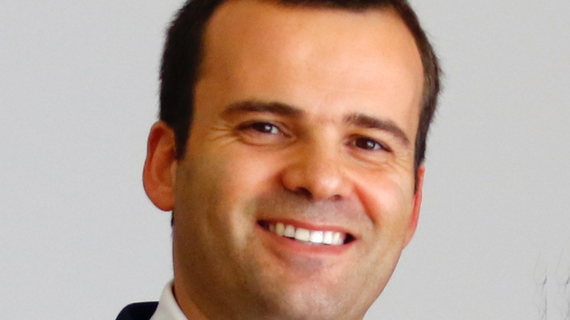
- Licenced in Dentistry (2004 – Faculty of Medicine, University of Coimbra – FMUC)
- Post-Graduated in Oral Prosthetic Rehabilitation (FMUC)
- Master in Experimental Patology -thesis in Bruxism (FMUC)
- PhD Student (FMUC)
- Invited Assistant at FMUC until 2015 (Occlusal Rehabilitation)
- President of the Portuguese Society of Temporomandibular Disorders and Orofacial Pain (SPDOF)
- Alternate Member of the Deontologic Council (OMD)
- Author/Co-Author of several articles/presentations in national/international cientific journals/congresses. Conferencist/lecturer and Private Practice in TMD, Bruxism, Snoring and OSA (OrisClinic – Coimbra)
Nationality: Portugal
Scientific areas: Pediatric sleep pathology
16 of november, from 14h30 until 14h50
Auditório C
Conference summary
Obstructive sleep apnea syndrome (OSAS) may have a central neurologic (95%) origin. Is a relatively prevalent condition in children and adolescents, with a dramatic impact on systemic health. Snoring/OSA is often underdiagnosed in children and youth and can negatively affect a child for the rest of his or her life. Among children and adolescents, the reported prevalence of snoring and OSA is 3-27% and 1-10%, respectively.
Problems associated with untreated OSA in children include numerous sequelae, primarily involving the cardiovascular,metabolic, and neurocognitive systems (aggressive behavior, attentiondeficit/hyperactivity disorder and delays in development).
All children should be screened with an appropriate history and physical examination for symptoms and signs suggestive of OSAS, but dentists, in general, have little or none academic training performing this taks.
Treatment depends on the child’s age, underlying medical problems, polysomnography findings, and whether or not there is upper airway obstruction usually secondary to enlarged adenoids and/or tonsils, allergic and nonallergic rhinitis, acute and chronic sinusitis, and other upper airway pathology.
This presentation reviews, from the general dentist prespective, the conduct regarding the screenning of OSA in childreen, the pathophysiology, clinical presentation, diagnosis, and the treatment/referral to other healthcare professionals.