Chaled Al-Kadri
The practice of dental medicine in the operating room - The anesthesiology viewpoint
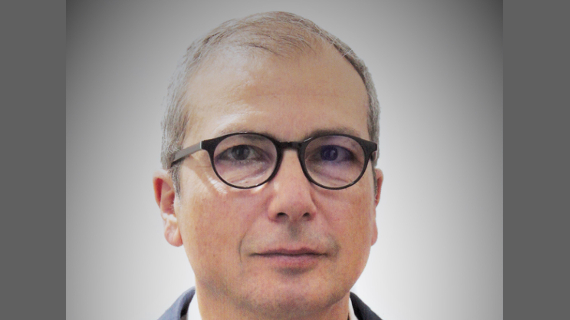
- 1992 – Medical Studies in Münster (Germany)
- February 1996: Doctor Medicine degree awarded by the Faculty of Medicine of the University of Münster (Germany) after presentation of the thesis entitled: Severity indices in intensive care: Prospective analytical comparison of a multiorgan failure score (JORDAN), with a newly developed scoring system (KISS)”
- 1999 – Examination at the Schleswig-Holstein Medical Association (Germany) and recognition as Anesthesiology Specialist
- Specialist Internship (Anesthesiology) in the hospitals of the cities of Hamburg and Kiel
- Until 2002 – Hospital Assistant at the Wilhelmstift Pediatric Hospital in Hamburg (Germany)
- 2001 – Award of the subspecialization title in “Emergency Medicine” by the Medical Association in Hamburg / Germany Until
- 2000 – Hospital Assistant at the University Hospital of Kiel (Germany)
- Since 2003 – Collaborator at CUF Discoveries Hospital
- Until 2005 – Hospital Assistant at Fernando Fonseca Hospital (H.F.F)
- 2005 – Approved as Anesthesiology Consultant
- Since 2006 – Resident Physician at CUF Hospital Discoveries
Nationality: Portugal
Scientific areas: Oral surgery
14 of november, from 11h30 until 12h15
Auditório B
Conference summary
Anesthesiology has made great progress in recent years.
Better insight into physiological, pharmacological processes, and a better understanding of the influence of surgical procedures on patient outcomes have transformed anesthesiology from the art of “falling asleep” to a science that encompasses the entire perioperative process. In this sense, the anesthesiologist accompanies the patient pre-, intra- and postoperatively. In the preoperative phase the patient is seen and evaluated at the anesthesia consultation.
This appointment can detect problems that may interfere intra- or postoperatively. If necessary, additional examinations are requested. Procedures and their risks are explained to patients and written informed consent is obtained at the end. Intraoperatively the Anesthesiologist accompanies the patient throughout the surgery. Ventilation and all vital parameters are observed and eventually treated. If necessary, blood loss is replaced.
Each step of the surgery is anticipated to ensure the least impact of surgical trauma on the patient’s health. Analgesic needs are assessed and initiated pre- or intraoperatively. Following the intervention, the Anesthesiologist ensures the return of all vital functions and accompanies the patient to the Post Anesthetic Care Unit. Thus, the Anesthesiologist is the natural partner of all specialties that develop activity in the Operating Room. The surgeon, in this case the dentist or maxillofacial surgeon, can concentrate exclusively on his procedures.
The particularities of dental procedures and their patients will be mentioned and explained in the presentation. The importance of the multidisciplinary approach will be underlined.