Karin Becktor
My digital orthodontic journey
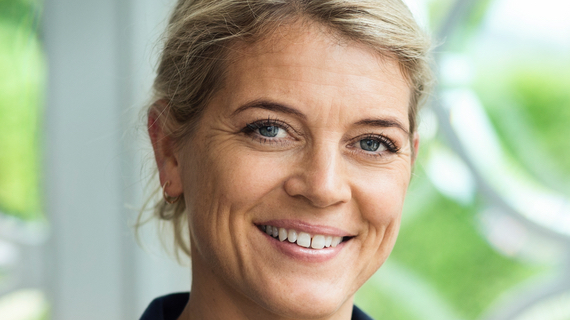
- DDS: University of Copenhagen, Denmark, 1990
- Orthodontist: University of Copenhagen, Denmark, 1998
- Visiting clinician: Mayo Clinic Rochester, USA, 2000
- Beni Solow Award for best published paper in European Journal of Orthodontics, 2002
- Ph.D: University of Copenhagen, Denmark, 2004
- Active Member Angle Society of Europe, 2014
- Postgraduate course in Cranio-Mandibular function, San Sebastian, Spain, 2014
- Consulting Orthodontist, University Hospital, Rigshospitalet, Copenhagen, 2004-2013
- Private practise in Hellerup, Denmark limited to orthodontics and oral surgery since 2001
Nationality: Denmark
Scientific areas: Orthodontics
8 of november, from 14h30 until 16h00
Auditório C
Conference summary
In this session Dr. Karin B. Becktor will look back at her experiences with digital orthodontics, and share her experience on intraoral scanning, digital treatment planning and show many clinical cases based on digital workflow.
I have practiced orthodontics for 20 years with conventional work-flows – why did I change? I am not a tech-savvy, but still I manage to integrate digital work-flows in my practice.
I have come a long way since I started going digital – To begin with I only used the digital models for diagnostics and treatment planning. But with time I learned how to use the digital models and the software for improved patient communication and easy integration with appliance providers and laboratories.
Now I use digital technologies for in house aligners, multi-disciplinary cases, and I have fully digital work-flows for bone-anchored intrusion and Hybrid Hyrax appliances.
However, these digital tools require sophisticated hardware and software and we must make up our mind if we as clinicians should have blind faith in all this new technology, or if the basic understanding on growth and development, as well as biomechanics, still are topics that a modern orthodontist should master?
One think is for sure digital orthodontics is here now, and it will be a part of our future, therefore we must face our fears, and we should see artificial intelligence as an orthodontic augmentation, where the sum of human smart and machine smart will make us stronger.
Scientific sponsor
ORTHOSMILE