Patrícia Diogo
AI in clinical decision-making in Endodontics | Algorithms in pulp diagnosis: evolution or dangerous dependence?
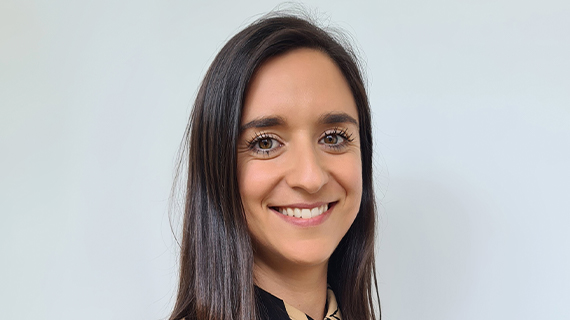
- Endodontist, private clinical practice since 2014.
- Invited auxiliar professor – Integrated Master in Dentistry, Faculty of Medicine, University of Coimbra.
- Certified Member of European Society of Endodontics (ESE 10205).
Nationality: Portugal
Scientific areas: Endodontics
Auditorium B
Conference summary
The application of algorithms to pulp diagnosis represents one of the most significant technological advances in contemporary Endodontics. Through Artificial Intelligence (AI) and the automated analysis of clinical and radiographic data, these systems have the potential to support clinicians in the identification of pulpal pathologies with increased speed, consistency, and accuracy.
The integration of clinical signs, patient-reported symptoms, pulp sensibility and vitality test results, radiographic findings, medical and dental histories, and a comprehensive anamnesis facilitates more standardized diagnostic processes and may contribute to reducing iatrogenic interventions and human error.
Despite these advantages, the increasing reliance on diagnostic algorithms raises important concerns. One of the main challenges is the conceivable technological dependence, which may compromise the endodontist’s clinical judgement and decision-making skills. Pulp diagnosis inherently involves subjective factors, including pain perception, patient behaviour, and the clinician’s interpretation of complex clinical findings: elements that remain difficult for automated systems to fully capture and contextualize.
Consequently, exclusive reliance on algorithm-based assessments may result in diagnostic inaccuracies, particularly in atypical or complex clinical scenarios.
Another relevant issue is the so-called AI “black box” phenomenon, whereby clinicians receive diagnostic outputs without a clear understanding of the underlying decision-making processes. This lack of transparency has generated ethical and scientific debate regarding accountability, professional responsibility, and patient safety.
Therefore, diagnostic algorithms should be regarded as adjunctive tools rather than substitutes for clinical expertise. The technological innovation integration with professional experience is likely to enhance diagnostic accuracy, efficiency, and safety. The current challenge is not to choose between technology and clinical practice, but rather to establish an appropriate balance that enables the benefits of AI to be harnessed without undermining the autonomy, critical thinking, and clinical reasoning of oral healthcare professionals.
This presentation aims to provide clinicians with evidence-based knowledge and perspectives that will enable them to navigate this technological transformation in a critical, informed, and strategic manner, while maintaining clinical excellence and patient well-being as the primary objectives of pulp diagnosis.
The integration of clinical signs, patient-reported symptoms, pulp sensibility and vitality test results, radiographic findings, medical and dental histories, and a comprehensive anamnesis facilitates more standardized diagnostic processes and may contribute to reducing iatrogenic interventions and human error.
Despite these advantages, the increasing reliance on diagnostic algorithms raises important concerns. One of the main challenges is the conceivable technological dependence, which may compromise the endodontist’s clinical judgement and decision-making skills. Pulp diagnosis inherently involves subjective factors, including pain perception, patient behaviour, and the clinician’s interpretation of complex clinical findings: elements that remain difficult for automated systems to fully capture and contextualize.
Consequently, exclusive reliance on algorithm-based assessments may result in diagnostic inaccuracies, particularly in atypical or complex clinical scenarios.
Another relevant issue is the so-called AI “black box” phenomenon, whereby clinicians receive diagnostic outputs without a clear understanding of the underlying decision-making processes. This lack of transparency has generated ethical and scientific debate regarding accountability, professional responsibility, and patient safety.
Therefore, diagnostic algorithms should be regarded as adjunctive tools rather than substitutes for clinical expertise. The technological innovation integration with professional experience is likely to enhance diagnostic accuracy, efficiency, and safety. The current challenge is not to choose between technology and clinical practice, but rather to establish an appropriate balance that enables the benefits of AI to be harnessed without undermining the autonomy, critical thinking, and clinical reasoning of oral healthcare professionals.
This presentation aims to provide clinicians with evidence-based knowledge and perspectives that will enable them to navigate this technological transformation in a critical, informed, and strategic manner, while maintaining clinical excellence and patient well-being as the primary objectives of pulp diagnosis.