Alexandre Miguel Santos
Management of the aesthetic zone with severe periodontal compromise: teeth vs. implants | Periodontal regeneration
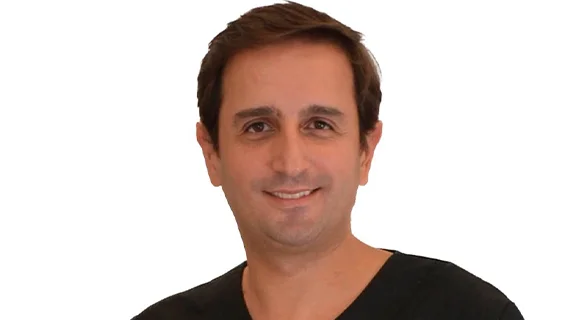
- Assistant Professor of Periodontology at Egas Moniz School of Health & Science.
- Master’s Degree (MSc) in Periodontology from the Faculty of Dental Medicine, University of Lisbon (FMDUL).
- Specialist in Periodontology, certified by the Portuguese Dental Association (OMD).
- PhD from the Faculty of Dental Medicine, FMDUL.
- Faculty Member of the Post-Graduate Specialization Course in Periodontology and the Post-Graduate Course in International Clinical Periodontology at Egas Moniz School of Health & Science.
- Vice-president of the Portuguese Society of Periodontology and Implants (SPPI) from 2023 to 2026.
- Fellow of the International College of Dentists (ICD).
- Author of multiple scientific publications and speaker at national and international conferences in the fields of Periodontology and Implantology.
Nationality: Portugal
Scientific areas: Periodontology
Auditorium B
Conference summary
The decision between preserving or extracting teeth with severe periodontal compromise in the anterior zone remains one of the most controversial topics in contemporary dentistry.
In cases of severe bone loss, there is an entrenched clinical tendency to assume tooth extraction as the most indicated and predictable solution. However, this scenario also represents the highest reconstructive and rehabilitative risk, where pre-existing bone loss severely compromises alveolar volume, gingival architecture, and the emergence profile.
Given this scenario, two dilemmas present themselves in the form of pertinent critical questions: 1) Are we extracting teeth too early and discovering their consequences too late? 2) Can predictable outcomes be achieved with an implant-supported rehabilitative approach in borderline situations?
In an era that is demanding in terms of aesthetic and functional appreciation, it is important to critically re-evaluate the concept of periodontal prognosis and the true potential of tooth preservation, while also understanding the reconstructive limits of peri-implant tissues and the contribution of implant rehabilitation options.
The mastery and relevance of this region in facial aesthetics require the clinician to adopt an integrated vision, acting simultaneously as a periodontologist, surgeon, and prosthodontist at the moment of this decisive choice — to extract or not to extract — which will define the aesthetic prognosis for decades to come.
In this lecture, challenging clinical cases in borderline situations will be presented to aid in understanding the regenerative limits of the various options and the restorative considerations involved in a multidisciplinary approach.
The aim is to reflect on selection criteria, prognostic factors, and biological limits of the therapeutic decision, establishing a logical sequence of procedures with valid and proven rationales as the main pillars of reconstructive therapy.
In cases of severe bone loss, there is an entrenched clinical tendency to assume tooth extraction as the most indicated and predictable solution. However, this scenario also represents the highest reconstructive and rehabilitative risk, where pre-existing bone loss severely compromises alveolar volume, gingival architecture, and the emergence profile.
Given this scenario, two dilemmas present themselves in the form of pertinent critical questions: 1) Are we extracting teeth too early and discovering their consequences too late? 2) Can predictable outcomes be achieved with an implant-supported rehabilitative approach in borderline situations?
In an era that is demanding in terms of aesthetic and functional appreciation, it is important to critically re-evaluate the concept of periodontal prognosis and the true potential of tooth preservation, while also understanding the reconstructive limits of peri-implant tissues and the contribution of implant rehabilitation options.
The mastery and relevance of this region in facial aesthetics require the clinician to adopt an integrated vision, acting simultaneously as a periodontologist, surgeon, and prosthodontist at the moment of this decisive choice — to extract or not to extract — which will define the aesthetic prognosis for decades to come.
In this lecture, challenging clinical cases in borderline situations will be presented to aid in understanding the regenerative limits of the various options and the restorative considerations involved in a multidisciplinary approach.
The aim is to reflect on selection criteria, prognostic factors, and biological limits of the therapeutic decision, establishing a logical sequence of procedures with valid and proven rationales as the main pillars of reconstructive therapy.