Sergio E. Uribe
E-Health and teledentistry: a patient-centered approach | AI in dental imaging: balancing human expertise and machine intelligence
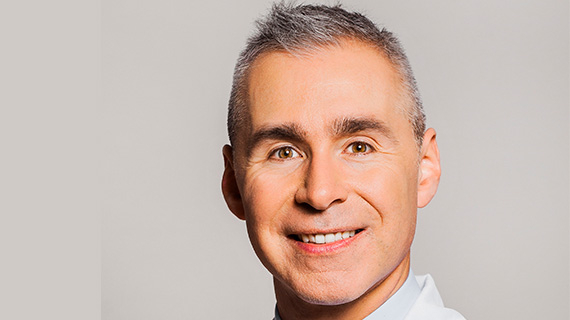
- Associate Professor of Conservative Dentistry at Riga Stradins University.
- Leading Researcher at the Baltic Biomaterials Centre of Excellence, RTU, in Riga, Latvia.
- Visiting Professor at the University of Valparaíso, Chile.
- DDS, MSc in Maxillofacial Radiology, and a PhD.
- Prof. Uribe’s research focuses on using data science, machine learning, and AI to improve the diagnosis and prognosis of oral pathologies.
- He has experience designing and conducting clinical and epidemiological trials and exploring new biomaterials for minimally and non-invasive dentistry in cariology research, resulting in over 70 scientific publications.
- Editor of the prestigious J Dent Res and Dental Traumatology journals.
Received the IADR Research in Prevention Award in 2007 and contributes to the ITU/WHO/WIPO Global Inivitative for AI in Health. - X/Twitter at @sergiouribe.
- ORCID: 0000-0003-0684-2025.
Nationality: Chile
Scientific areas: Innovations in dentistry
22 of november, from 09h00 until 12h00
Room 1
Conference summary
E-Health and Teledentistry: A Patient-Centered Approach
(09h00-10h30)
This presentation examines e-health and teledentistry through a patient-centered lens, focusing on lessons learned from the last pandemic. It discusses the implementation of remote consultations, the management of patient data, and the critical importance of privacy and data security. The session highlights the available clinical evidence of e-health’s effectiveness in improving patient outcomes and presents strategies for overcoming common implementation challenges to ensure effective and safe care outcomes.
AI in Dental Imaging: Balancing Human Expertise and Machine Intelligence
(11h00-12h30)
The lecture will cover key definitions and classifications of AI systems, emphasizing the importance of the data sets used to train AI applications in dentistry. It explores the impact of data diversity and quality on the accuracy and reliability of AI algorithms, which affects their applications in diagnosis, treatment planning, and patient monitoring. The session covers recent advances in Generative AI (GenAI) and its significant impact on dental care and discusses the opportunities and challenges of multimodal AI technologies, focusing on improving patient outcomes through informed patient-centered care.
This session focuses on the application of AI in dental imaging, highlighting the importance of annotations and criteria in improving the technology’s accuracy and reliability. It addresses the challenge of generalizing AI systems trained on diverse datasets and their importance to patient safety, including the potential for medical errors and overtreatment. We will review various AI interfaces and discuss the evidence of their diagnostic performance and the role of involving patients in their medical decisions to improve diagnostic outcomes and ensure a patient-centered approach to dental imaging.