Neusa Silva
Cold plasma – aurora borealis in dentistry
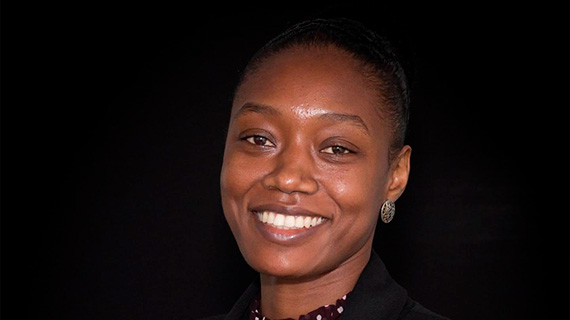
- PhD student in Health Sciences and Technologies, University of Lisbon, Portugal
- Master’s degree in biotechnology and Biomedicine, University of Jaén, Spain
- Degree in Biological Science in the health branch, University of Cape Verde, Cape Verde
Nationality: Cape Verde
Scientific areas: Innovations in dentistry
10 of november, from 18h05 until 19h00
Room 2
Conference summary
Plasma is the fourth state of matter and the most common, representing almost 99% of all matter. It is produced by adding energy to a gas, making it partially ionized, which in turn leads to the generation of reactive species.
The most commonly used classification of plasma is based on thermal equilibrium, which is divided into quasi-thermal, thermal, and non-thermal plasma (or cold plasma). Plasma has been successfully used in several biomedical applications such as in dermatology for skin rejuvenation and wound healing.
Cold plasma has the potential to overcome the limitations of existing therapies and technologies in dental medicine, increasing the predictability of clinical outcomes and reducing patient morbidity. The regenerative activity of cold plasma in oral tissues has been widely studied, with significant results in both in vitro and in vivo studies. On the other hand, its antimicrobial activity against various microorganisms has demonstrated promising results.
There are already certified cold plasma devices for medical use on the market, however these have limitations. This is an active field of research and several innovative device prototypes are being developed. In this presentation, the many potential applications of Cold Plasma to Dentistry and the evidence supporting them will be critically assessed and discussed.
The future perspectives of this technology and the challenges in translation into clinical practice will also be presented.