Maria Cristina de Mendonça
Forensic human identification by way of dental evidences: national approach of ANEPC and INMLCF
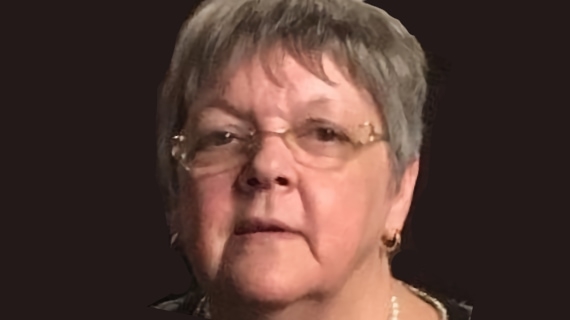
- Forensic pathologist & medical expert, with a PhD on forensic anthropology from UCM
- Coordinator of the INMLCF’ Forensic Disaster Management Unit, created in 2018
- Coordinator of the Portuguese Medico-Legal DVI Team (EML-DVI) since its creation in 2002
- Delegate of the Ministry of Justice to the National Civil Protection Commission (CNPC), at ANEPC
- Chair of Consultative Council of the Centre for Studies & Intervention in Civil Protection (CEIPC)
- Member of the PASWG of the Interpol Working Group on DVI (INTERPOL WG on DVI)
- Numerous national and international forensic missions, on mass disasters or armed conflicts
Nationality: Portugal
Scientific areas: Forensic dentistry
5 of november, from 09h25 until 10h15
Auditorium C
Conference summary
Forensic odontology plays an unavoidable role in human identification, due to the indisputable scientific validation that it confers. In the Portuguese national context, this activity is carried out routinely at the National Institute of Legal Medicine and Forensic Sciences (INMLCF), in the Departments of Clinical and Forensic Pathology of its bureaus.
In a multi-fatality disaster scenario, such activity is part of the intervention of specialized forensic teams, within the scope of the civil defence agents’ rescue and emergency response; these teams work on the identification of the victims as part of the criminal investigation judicial process, generated by the event. Both in the routine and in the exceptional situation, international standards of the DVI process (Disaster Victim Identification) are dully followed.
These rules, recommended by Interpol, result from a sequence of activities that are divided into four phases, from the examination of the body, carried out in the site, to the final positive identification that will allow to establish the identity of the body and the consequent delivery / repatriation to the corresponding family. They are a sequential process that obeys international criteria, reviewed and validated for decades and that must be acknowledge by all stakeholders, including dentists.