Luís Jardim
Orthodontic treatment with atypical extractions
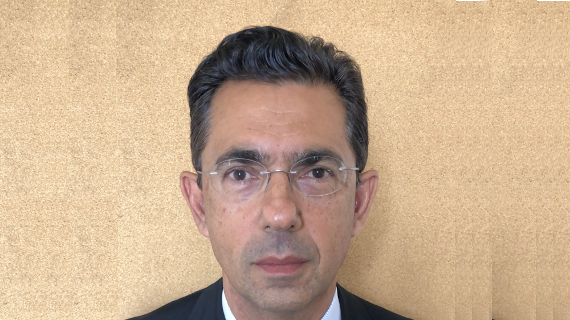
- Degree in Dental Medicine – University of Lisbon (1987)
- Master of Science in Orthodontics – University of Minnesota USA (1991)
- PhD in Orthodontics – University of Lisbon (1998)
- Full Professor, Graduate Orthodontics Program Director, University of Lisbon
- President of the Portuguese Board of Orthodontics (OMD)
- Research Scientist at the Oral and Biomedical Sciences Research Unit (UICOB)
- Author of more than 200 national and international conferences, courses and publications
- Clinical practice restricted to Orthodontics in Lisbon
Nationality: Portugal
Scientific areas: Orthodontics
14 of november, from 12h30 until 13h00
Auditório C
Conference summary
The objective of permanent tooth extraction in orthodontics is to create space in order to promote dental alignment, reduce proinclination of anterior teeth, correct midline deviations and allow a class I canine and molar relationship.
Traditionally, the first or second premolars have been the teeth more frequently extracted. However, there are several clinical situations in which extraction of premolars may not be the best treatment option, as is the case, among others, of presence of asymmetries, tooth size discrepancies, poor prognosis or missing teeth, and lack of posterior space.
In these cases, where conventional extractions of premolars make it more difficult to achieve the treatment goals, the option for certain atypical extraction patterns may be a better therapeutic alternative.
In this conference, the results, advantages and disadvantages of several therapeutic alternatives using atypical extractions will be presented and discussed, based on the current scientific evidence and the author’s clinical experience, in order to optimize the long-term results, from the aesthetic and functional point of views.