Rute Efigénio Gomes
Pulp therapy for primary teeth
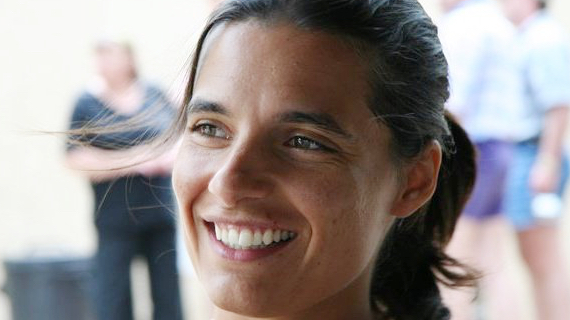
- Graduated in Dentistry at the Faculty of Dental Medicine, University of Lisbon
- Master in Pediatric Dentistry by Faculty of Dentistry, University of Barcelona
- Master in Integrated Dentistry by the Faculty of Dental Medicine, University of Lisbon
- Specialty in Dental Medicine for Infants by the Baby Clinic, State University of Londrina
- PhD student at the Faculty of Medicine, University of Barcelona
- Full time practice in Pediatric Dentistry
Nationality: Portugal
Scientific areas: Pediatric dentistry
9 of november, from 09h45 until 10h30
Auditório C
Conference summary
The principal reason for pulp therapy in primary dentition is to maintain the integrity and health of teeth and their supporting tissues, enabling enhanced longevity within the dental arch.
The clinical diagnosis requires a blend of undertaking a comprehensive medical/dental history and clinical examination whilst appropriately evaluating the required clinical tests and radiographs.
Any primary tooth with an exposed pulp has to undergo pulp therapy or extraction based on multiple factors, such as the vitality of the pulp, presence or absence of pathology, restorability and the duration of time for normal tooth exfoliation.
Pulp therapy in deciduous teeth is different in the sense that the medications and obturation techniques implemented are very different from those used for permanent teeth.
The complex morphology of the root canal system in deciduous teeth makes it difficult to achieve proper cleansing through mechanical instrumentation and canal irrigation. Commonly the treatment provided is sub-optimal, due to either the lack of knowledge of the dentist or non-compliance from the child.
This presentation will help the clinician decide on optimal treatment plans, preventing the growing number of unnecessary extractions of deciduous teeth.