Salvador Gallardo Colchero
Implant-retained removable overdentures | Tissue-supported removable dentures
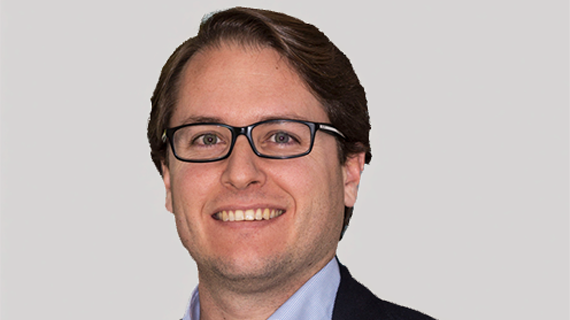
- Graduated in Dentistry from the University of Seville in 2000.
- Associate Professor at the Faculty of Dentistry of Seville from 2006 to 2022.
- Level III Certificate in Bioaesthetic Dentistry from the OBI Foundation for Bioaesthetic Dentistry (San Sebastián 2009-10).
- Advanced training in diagnosis and treatment planning at the Kois Centre in Seattle (2018) Postgraduate professor in prosthetics at SCOE (directed by Dr. E. Mallat).
- Director of the modular course on occlusion and prosthetics in Huelva since 2019.
- Co-author of the books ‘Manuals on occlusion and rehabilitation in cases of severe wear’ published by Lisermed, together with Dr. E. Mallat.
- Lecturer on courses on occlusion and rehabilitation at various public and private institutions.
Nationality: Spain
Scientific areas: Removable Prosthesis
Auditorium A
Conference summary
14:30-16:00
Implant-retained removable overdentures
The implant-retained removable overdenture has experienced various shifts in professional "prestige" over the years since the development of implantology.
Although it represented a paradigm shift in the approach to edentulous mandibular patients with a poor prognosis using tissue-supported dentures — to whom it was presented as a simple, minimally invasive solution with substantial benefits — we have seen that not all patients achieve the functional benefit initially proposed. This is primarily due to errors in the initial diagnosis of the case.
For a long time, the surgical phase guided these treatments, as the prosthesis was adapted to the available bone. However, implantology remains, fundamentally, a pre-prosthetic surgery, given that our patients seek us out to replace their teeth, not merely to place implants without a clear objective. Attempts have been made to protocolize or standardize treatments for these patients.
Yet, in medicine and dentistry, standardization is not always possible. The critical factor is a correct diagnosis. Therefore, it is vital that the surgical phase is guided by prior prosthetic planning.
First, we must diagnose when it is necessary to propose a removable overdenture rather than a fixed prosthesis.
Second, it is fundamental to determine how many implants will be required, as well as the retention and/or support element that represents the ideal choice for each specific patient.
It is at this point that errors are most frequently made. Due to this reason — diagnostic failure —, the implant-retained removable overdenture has lost "prestige" among professionals, often being considered a "second-class" option compared to a fixed prosthesis.
Differentiating when a removable prosthesis is implant-supported or implant-tissue-supported will help us understand how the case will evolve. The biomechanical control of these prostheses is the key to success.
Therefore, identifying the forces that occur during mastication and how to counteract them will ensure proper function and patient adaptation. During this presentation, we will dedicate special focus to this diagnostic phase so that clinicians have the tools to offer their patients the best possible treatment.
17:30-19:00
Tissue-supported removable dentures
The complete tissue-supported denture is the type of prosthesis that embodies all the biomechanical, aesthetic, and occlusal fundamentals that underpin all other types of dental prostheses, whether fixed, partial removable, or implant-supported.
For this reason, it is essential to understand every detail, both in the diagnostic phase and the manufacturing process, as well as during the final follow-up stage.
It is a type of prosthetic rehabilitation that we must master thoroughly, as it can assist us in other treatments by helping evaluate aesthetic and functional aspects; above all, if not managed correctly, it will generate major headaches in our daily practice.
Nowadays, fewer patients require complete denture treatments, as natural teeth are preserved for longer. Furthermore, many completely edentulous patients seek implant-based solutions.
However, there is still a niche population that has previously used tooth-supported or implant-supported prostheses with significant issues, and who now require palliative treatment with these complete dentures, which often present highly unfavorable conditions.
In addition to evaluating the case prognosis during the initial consultation, we will review each clinical phase, highlighting relevant aspects. Final details regarding the adaptation and follow-up phases will also be discussed, following the delivery of the dentures.
During the presentation, the different phases of the complete denture fabrication process will be addressed, drawing a comparison between classic analog procedures and the innovations brought by digital protocols.
Implant-retained removable overdentures
The implant-retained removable overdenture has experienced various shifts in professional "prestige" over the years since the development of implantology.
Although it represented a paradigm shift in the approach to edentulous mandibular patients with a poor prognosis using tissue-supported dentures — to whom it was presented as a simple, minimally invasive solution with substantial benefits — we have seen that not all patients achieve the functional benefit initially proposed. This is primarily due to errors in the initial diagnosis of the case.
For a long time, the surgical phase guided these treatments, as the prosthesis was adapted to the available bone. However, implantology remains, fundamentally, a pre-prosthetic surgery, given that our patients seek us out to replace their teeth, not merely to place implants without a clear objective. Attempts have been made to protocolize or standardize treatments for these patients.
Yet, in medicine and dentistry, standardization is not always possible. The critical factor is a correct diagnosis. Therefore, it is vital that the surgical phase is guided by prior prosthetic planning.
First, we must diagnose when it is necessary to propose a removable overdenture rather than a fixed prosthesis.
Second, it is fundamental to determine how many implants will be required, as well as the retention and/or support element that represents the ideal choice for each specific patient.
It is at this point that errors are most frequently made. Due to this reason — diagnostic failure —, the implant-retained removable overdenture has lost "prestige" among professionals, often being considered a "second-class" option compared to a fixed prosthesis.
Differentiating when a removable prosthesis is implant-supported or implant-tissue-supported will help us understand how the case will evolve. The biomechanical control of these prostheses is the key to success.
Therefore, identifying the forces that occur during mastication and how to counteract them will ensure proper function and patient adaptation. During this presentation, we will dedicate special focus to this diagnostic phase so that clinicians have the tools to offer their patients the best possible treatment.
17:30-19:00
Tissue-supported removable dentures
The complete tissue-supported denture is the type of prosthesis that embodies all the biomechanical, aesthetic, and occlusal fundamentals that underpin all other types of dental prostheses, whether fixed, partial removable, or implant-supported.
For this reason, it is essential to understand every detail, both in the diagnostic phase and the manufacturing process, as well as during the final follow-up stage.
It is a type of prosthetic rehabilitation that we must master thoroughly, as it can assist us in other treatments by helping evaluate aesthetic and functional aspects; above all, if not managed correctly, it will generate major headaches in our daily practice.
Nowadays, fewer patients require complete denture treatments, as natural teeth are preserved for longer. Furthermore, many completely edentulous patients seek implant-based solutions.
However, there is still a niche population that has previously used tooth-supported or implant-supported prostheses with significant issues, and who now require palliative treatment with these complete dentures, which often present highly unfavorable conditions.
In addition to evaluating the case prognosis during the initial consultation, we will review each clinical phase, highlighting relevant aspects. Final details regarding the adaptation and follow-up phases will also be discussed, following the delivery of the dentures.
During the presentation, the different phases of the complete denture fabrication process will be addressed, drawing a comparison between classic analog procedures and the innovations brought by digital protocols.