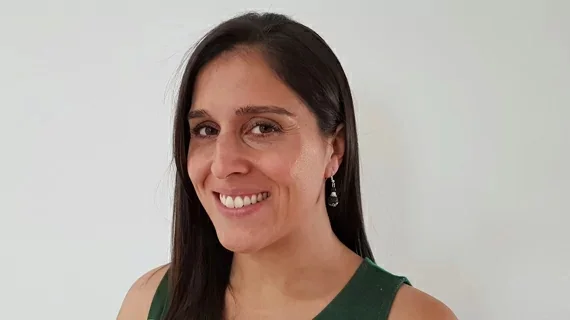
Joana Morais Ribeiro
Oral health workshop for caregivers of non-autonomous individuals
- Degree in Dentistry.
- Degree in Management.
- Postgraduate qualification in Health Unit Management.
- Dentist at Unidade de Saúde da Ilha Terceira (USIT).
- Coordinator of the UL-PPCIRA at USIT.
- Founding member of APOMED-SP, the Portuguese Association of Dentists in Public Services.
- Azores representative on the Board of Directors of the Portuguese Dental Association since July 2020.
- Coordinator of the Oral Public Health Working Group of the Portuguese Dental Association.
Nationality: Portugal
Scientific areas: Hands-on OMD
Room 2
Conference summary
Oral health plays a crucial role in the quality of life for dependent individuals.
The oral health workshop for caregivers of non-autonomous individuals aims to empower caregivers to understand the functional importance of the mouth, provide anatomical foundations of the oral cavity, recognize key risks of oral pathologies, and master effective hygiene techniques.
The theoretical and practical program includes:
The oral health workshop for caregivers of non-autonomous individuals aims to empower caregivers to understand the functional importance of the mouth, provide anatomical foundations of the oral cavity, recognize key risks of oral pathologies, and master effective hygiene techniques.
The theoretical and practical program includes:
- introduction to oral health – emphasizing the significance of oral health for overall quality of life;
- basic oral anatomy: exploring the anatomy of the oral cavity and its alterations in dependent individuals;
- oral cavity inspection – developing skills to open and inspect the oral cavity, focusing on teeth, gums, tongue, and mucous membranes;
- identification of oral pathology risks – recognizing major risks of oral pathologies in dependent individuals, offering specialized care and referrals;
- oral hygiene techniques – individualized protocols, encompassing the use of toothbrushes, dental floss, interdental brushes, tongue cleaning, and complementary methods;
- approaching individuals with cognitive or motor disabilities – tailoring care approaches for individuals with mild or severe cognitive or motor disabilities and for those who resist oral hygiene;
- simulated oral hygiene: practical simulations of oral hygiene procedures on dependent individuals, with a strong emphasis on safety and comfort.