Roland Glauser
Zero Peri-Implantitis – The Prevention Concept in Implant Dentistry
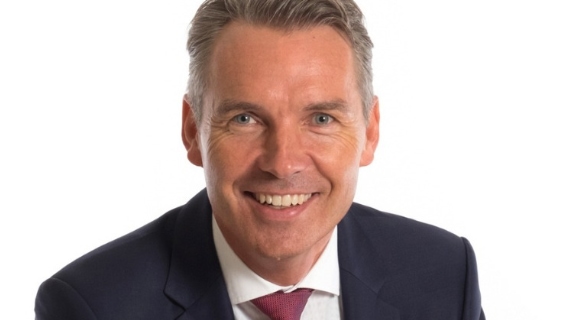
- Dr. Roland Glauser graduated from University of Zürich and was from 1997 to 2006 assistant professor at the Department for Fixed Prosthodontics and Dental Materials, University of Zürich.
- Was president of the scientific board of the Swiss Society of Oral Implantology SSOI and he is an active member of the Academy of Osseointegration (AO) and the European Association for Osseointegration (EAO).
- From 2006 to 2020 Roland Glauser served as guest lecturer and a research fellow holding a clinical associate professor position at the Dental College of Georgia, Augusta University, Augusta (GA), USA.
- His research activities mainly focus on tissue integration of oral implants and shortened clinical protocols.
- Dr. Glauser has published more than 80 articles and textbook chapters on the subject of restorative dentistry and osseointegrated implants.
- He served as reviewer for the Journal of Biomechanics, the Journal of Oral Rehabilitation, the Journal of Clinical Periodontology, and Clinical Implant Dentistry and Related Research.
- Roland Glauser lectures extensively all over the world and received Academy Awards for his presentations from the Academy of Osseointegration, the Japan Academy of Gnathology and Occlusion, the Asian Academy of Osseointegration AAO, and the Taiwan.
- He serves as a certified expert in Oral Implantology in the European Dental Association and within the Foundation for Oral Rehabilitation (FOR).
- Dr. Glauser runs a renowned private clinic in Zürich, Switzerland.
Nationality: Switzerland
Scientific areas: Dental Industry Forum (Patent)
7 of november, from 14h30 until 19h00
Dental Industry Forum
Conference summary
Soft tissue bond – the missing element for a dynamic peri-implant defense barrier
For the first time, a biochemical bond between the peri-implant soft-tissue and a transmucosal synthetic element was histologically observed and scientifically documented. This newly discovered soft-tissue bond plays a critical role in maintaining long-term peri-implant health by creating a dynamic defense against downward migration of plaque, inflammation and disease progression.
Early soft-tissue healing – the foundation for predictable long-term esthetics
Immediate soft-tissue behavior during early healing is a key determinant of long-term esthetic outcomes. The soft-tissue response around synthetic implant, abutment or crown characteristics impacts short-, mid- and long-term treatment outcomes. Hence, the foundation for long-lasting esthetic results is laid at the time of implant placement.
What is the best alternative: “Tissue level” or “bone level” implants? Results after 36 years of clinical implantology.
Since the establishment of the concept of osseointegration, the use of endosseous implants has continued to grow. The first evidence of lost implants is attributed to the Mayan civilization around 600 AD. During this period, many attempts to replace missing teeth were made, using a wide range of materials and very different techniques to keep them in place.
After a slow start, dental implants began to be used in patients with increasing frequency. Indications developed as implants were perfected in terms of their shapes, designs, surface treatments and connections.
Over time, mechanical and biological problems began to emerge. Mechanical failures led to further developments in implant design. Biological problems took longer to be understood and for approaches to treating these new pathologies to emerge. Inflammations of soft and hard tissues adjacent to implants were diagnosed and treatment protocols were developed.
The annual global dental implant market has grown enormously, with an estimated 12 to 18 million implants sold, while in Europe alone the annual market is estimated at around 5.5 to 6 million implants.
According to statistics from the American Dental Association, 5 million implants are placed annually in the USA alone. Given that peri-implant mucositis and peri-implantitis are highly prevalent and their treatment is challenging, unpredictable and associated with significant morbidity, these results will lead to a rate of 2.64 to 4 million cases of peri-implantitis worldwide.
See the other speakers at the Industry Forum.
Bronze Sponsor