Orlando Martins
Application of platelet concentrates in bone regeneration: Peri-implantitis
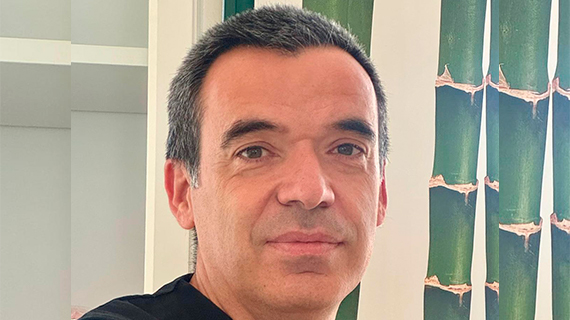
- Dentist (Licentiate Degree) from the Faculty of Medicine, University of Coimbra (FMUC).
- Assistant Professor (Invited) at FMUC.
- Lecturer in the Integrated Master’s Degree in Dental Medicine, FMUC.
- Lecturer in the Specialisation Course in Periodontology and Oral Implantology, FMUC.
- Master’s Degree in Experimental Pathology (Biomaterials) from FMUC.
- PhD in Health Sciences (Periodontology) from FMUC.
- Specialist in Periodontology (OMD – Portuguese Dental Association).
- Vice-president of the Portuguese Society of Periodontology and Implants (SPPI).
- Researcher at CRIOS – Center for Research and Innovation in Oral Sciences, FMUC.
Nationality: Portugal
Scientific areas: Periodontology
8 of november, from 15h20 until 15h45
Auditorium A
Conference summary
Despite the excellent long-term clinical outcomes of dental implants, biological complications remain a significant challenge — particularly peri-implantitis, a progressive and destructive condition that affects approximately 1 in every 5 implants.
Its progression is unpredictable, often marked by severe bone loss around “non-biological” surfaces contaminated with extensive bacterial biofilm, which seriously compromises the regenerative potential of current therapeutic approaches.
In this demanding scenario, autologous platelet concentrates (APCs) have emerged as a promising biological tool, capable of modulating inflammation, stimulating angiogenesis, and promoting bone regeneration through a true biological boost.
Among the second-generation APCs, L-PRF (leukocyte-platelet rich fibrin) stands out for its three-dimensional structure, ease of handling, and clinical potential in complex bone defects and contaminated implant surfaces — settings where conventional solutions often reach their biological limitations.
Given the highly demanding clinical context of peri-implantitis surgical treatment, the use of APCs as biological agents raises key questions:
- From a biological standpoint, to what extent can we overcome the constraints imposed by bone defect anatomy and implant surface characteristics?
- What scientific evidence supports the use of the L-PRF block as an innovative tissue engineering technique?
- Can APCs truly shift the paradigm of bone “regeneration” in the management of peri-implantitis?
In this conference, we will explore these critical questions through the lens of the latest scientific evidence, discuss innovative surgical strategies, and examine the potential of APCs in redefining bone regeneration in peri-implant treatment.