Nestor Cohenca (pre-congress course)
Oral traumatology from child to adult: essential skills for the 21st century dentist
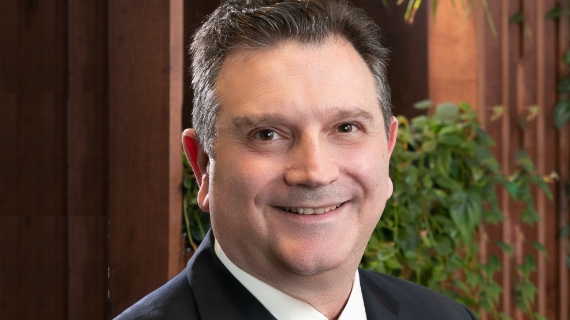
- Dr. Cohenca completed the endodontic program at the Hebrew University in Jerusalem cum laude and received the Best Graduate Student Award.
- He then served 11 years on faculty at the school while maintaining a private practice limited to endodontics.
- Thereafter, Dr. Cohenca joined the University of Washington where he completed his endodontic certificate in 2008 and served as Tenured Professor of Endodontics and Pediatric Dentistry from 2005-2014.
- Currently he serves as Professor at the University of Washington, Professor and Director of Endodontics and the Multidisciplinary Traumatology Unit at Seattle Children’s Hospital and maintain a private practice limited to Endodontics in Kirkland, WA.
- He is a Diplomate of the Israel Board of Endodontics and the American Board of Endodontics, and is a Fellow and Past-President of the International Association of Dental Traumatology.
- He has published more than 90 peer-reviewed articles, 10 chapters and a book.
- Dr. Cohenca provided more than 250 lectures around the world and is well known as one of the experts in dental traumatology, Endo-Pedo related topics, vital pulp therapy, CBCT and root canal disinfection.
Nationality: United States of America
Scientific areas: Traumatology
5 of november, from 14h00 until 17h30
Room 1
Conference summary
Diagnostic Imaging for Trauma Patients. Where are we today
(02:00 PM-03:30 PM)
Diagnosis is a term that takes on a broad definition as it relates to traumatic dental injuries having an array of presentations. Diagnostic challenges are common and clinicians’ ability to correctly identify specific injuries dictates the optimal course of treatment(s).
This presentation will review and outline all dental imaging techniques and their applications to traumatic dental injuries.
A particular interest is given to the advancement of 3D imaging techniques and their role in diagnosis and treatment planning. The benefits of achieving a more accurate diagnosis are paramount to perfecting clinical judgments and outcomes.
Revised Trauma Guidelines. What’s New?
(04:00 PM-05:00 PM)
The management of dental trauma remains a significant clinical challenge affecting health-care providers and patients alike. Falls, accidents and sport-related injuries are the most frequent causes of dental trauma.
Patients can present with a wide variety of injuries ranging from crown or root fractures, to injuries to the supporting periodontal structure, including luxations and avulsions. Treatment is complex, time consuming, expensive and requires a multidisciplinary
approach.
This presentation will discuss the current AAE/IADT guidelines, with emphasis on current evidence-based literature supporting therapeutic modifications, as well as new philosophies to be considered for future guidelines.
Prevention of Dental Trauma
(05:00 PM – 05:30 PM)
The majority of dental and oral injuries occur unexpectedly during daily life activities, making their prevention difficult, if not impossible. Unfortunately, most parents and coaches do not consider protection until an injury happens.
The best approach for prevention is education, both on how to avoid injuries and how to manage them when they occur, along with early orthodontics for children with severe overjet, and the use of protective gear.
This lecture will discuss various approaches and campaigns for education and early intervention.