Juan Mesquida
Digital planning and navigated surgery
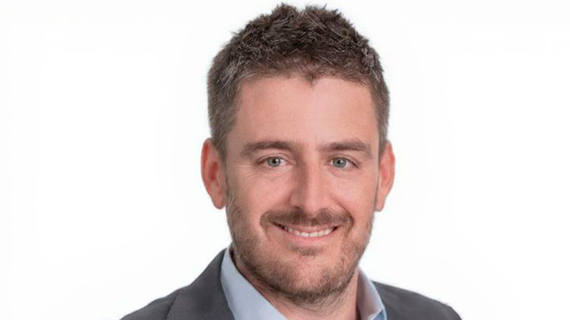
- Dr. Juan Mesquida has been involved in implant dentistry since graduating as a DDS in 2005. He was awarded a Masters in Implant Dentistry at ESI Barcelona in 2007 and later in 2008 joined the graduate program in Implant Dentistry at Loma Linda University, where he graduated in 2011.
- During his implant specialty residency at LLU he received the 1st prize for Best Research presentation at the 2010 Annual Meeting of the AAID (Boston, MA) and was awarded with the 1st prize in the Table Clinics category in 2011 (Las Vegas, NV).
- After completing his specialty degree in Implant Dentistry he was appointed affiliate visiting professor by the program director at the Implant Department at LLUSD. Dr Mesquida serves as well as visiting professor in the Periodontics Graduate program at Universidad Complutense (Madrid, Spain). Additionally, he is founder and CEO of Indent_Research, a private international research hub focusing solely in implant dentistry and associated procedures.
- Dr. Mesquida lectures internationally on implant dentistry related topics. He has published scientific articles in relevant peer-reviewed journals and has coauthored renowned dental implantology books.
Nationality: Spain
Scientific areas: Oral surgery
7 of november, from 14h30 until 19h00
Auditorium A
Conference summary
The treatment of a missing or failing tooth in the esthetic zone requires an approach that combines biology, technique, and artistry to achieve functional, stable, and naturally integrated results within the patient’s facial harmony.
This presentation will address strategies to minimize bone remodeling after tooth extraction, as well as regenerative techniques to establish a solid foundation that supports the stability of both hard and soft tissues around implant-supported restorations.
The design of the emergence profile will be highlighted from a biological and esthetic perspective, as it is essential for maintaining peri-implant health and achieving restorations that blend seamlessly within the facial environment.
In addition, the importance of accurate diagnosis, individualized planning, and the use of advanced digital technologies—such as 3D radiology and eOS/iOS/CAD/CAM systems—will be emphasized, as they enhance the predictability and esthetic quality of the outcomes.
This combination of evidence-based protocols, when available, together with digital workflows aims to provide practical tools to achieve functional, stable, and esthetically pleasing implant-supported restorations.