Hugo Trindade
Pediatric Dentistry Forum | Key considerations of oral, nasal, and rectal sedation in children. Pediatric procedures performed under intravenous or general anesthesia
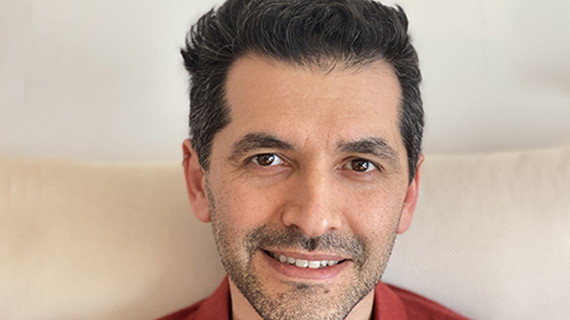
- Consultant anaesthetist
- 1994–2001: Medical degree at the Faculty of Medicine, University of Coimbra
- 2008–2019: Anaesthetist at the Central Lisbon University Hospital Center, Dona Estefânia Hospital
- 2010–2014: Coordinator of the Resuscitation Committee at Dona Estefânia Hospital
- 2012–2014: Coordinator of the Simulation and Clinical Practice Center at Dona Estefânia Hospital
- 2015–2019: Coordinator of the Central Pediatric Operating Theater at Dona Estefânia Hospital
- 2017–2019: Coordinator of the Pain Medicine Unit at Dona Estefânia Hospital
- 2019–Present: Coordinator of the Pediatric Section of the Department of Anaesthesiology at Hospital da Luz Lisboa
- 2021: Responsible for the creation of the project “Pain free children Hospital” at Hospital da Luz
- Faculty member at various national and international Anesthesiology congresses as an invited speaker/instructor. Hobby: “Dolce far niente”
Nationality: Portugal
Scientific areas: Pediatric Dentistry
8 of november, from 14h30 until 15h20
Auditorium C
Conference summary
Sedation and general anaesthesia are important practices in pediatric dentistry, especially for children with extreme fear, limited cooperation, psychomotor developmental delays, or extensive treatment needs. The choice of the appropriate technique aims to ensure the safety, comfort, and effectiveness of the dental procedure, while respecting the child’s physiological and psychological development.
For any chosen technique, a proper pre-anesthetic clinical assessment is essential for risk stratification and reduction, as well as clear communication with the parents, including obtaining informed consent.
Psychological preparation of both the child and the parents is a crucial step for the success of the procedure.
The decision between sedation and general anaesthesia depends on factors such as age, behavior, associated medical conditions, treatment complexity, professional expertise, and the availability of appropriate space and equipment. Patient safety must always be the top priority, requiring individualized planning, the use of minimally invasive techniques whenever possible, and adequate postoperative follow-up.
In conclusion, when well indicated and properly applied, sedation and general anaesthesia enable effective and humanized dental treatment in children, minimizing stress and ensuring the desired level of comfort.