Helder Nunes Costa
New trends in orthodontics. Hybrid orthodontics: the plan B or the new plan A?
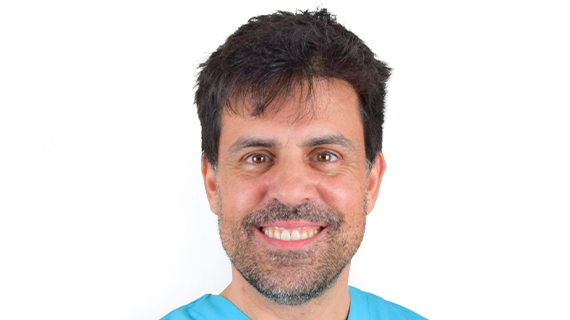
- DDM – OMD 1634.
- PhD at Kanagawa Dental University (Japan).
- PhD at Faculdade de Medicina da Universidade de Lisboa.
- MSc in Functions and Dysfunctions of the Masticatory Organ @Danube University.
- Specialist in Orthodontics at GDC (United Kingdom) and OMD (Portugal).
- Assistant Professor and Head of Orthodontics I at the Egas Moniz School of Health and Sciences.
- Founder of VieSID Portugal and Professor at VieSID.
- Exclusive clinical practice in Orthodontics, Temporomandibular Dysfunction and Orofacial Pain.
Nationality: Portugal
Scientific areas: Orthodontics
7 of november, from 09h00 until 09h35
Auditorium B
Conference summary
The increasing popularity of clear aligners has reshaped modern orthodontics, offering patients improved aesthetics, comfort, and hygiene. However, clinical experience and current evidence highlight important limitations of aligners in complex orthodontic cases — particularly those requiring extensive dental movements, root control, precise rotations, and absolute anchorage.
Hybrid orthodontics represents a strategic integration of aligners with conventional techniques such as brackets (full or segmental), conventional archwires, temporary anchorage devices (TADs), and auxiliary mechanics.
This approach enhances the biomechanical possibilities of aligner-based treatments, expanding their indications and improving predictability.
This lecture will explore:
- the most relevant clinical limitations of clear aligners;
- hybrid case examples, emphasizing biomechanical strategies and outcomes;
- the clinical and practical benefits of a hybrid approach;
- the role of hybrid orthodontics in shaping the future of clinical practice and professional training.
Far from being a fallback solution, hybrid orthodontics may become the new gold standard in managing moderate to complex cases with efficiency and control.