Eduardo Bernabe
The global burden of oral conditions
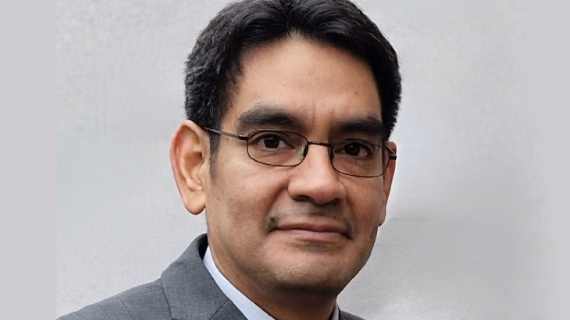
- Dr. Eduardo Bernabe is a professor of Dental Public Health at Queen Mary University of London and Honorary Academic Consultant in the Office for Health Improvement & Disparities.
- He also works as a Consultant for the World Health Organization.
- Professor Bernabe is a global oral health leader, with experience in generating robust epidemiological evidence to inform health policy and planning.
- He has built his international esteem working on understanding the social determinants of oral health inequalities and measuring the burden of oral conditions on individuals and societies.
- He co-leads the Oral Disorders Collaborators network as part of the Global Burden of Disease Study.
- He has published over 250 articles, is involved in the editorial board of several dental journals and has received prestigious awards from academic institutions and international organizations.
Nationality: England
Scientific areas: Dental Public Health
6 of november, from 14h30 until 16h00
Auditorium C
Conference summary
The World Health Organization (WHO) Global Oral Health Action Plan sets an overarching global target of reducing the prevalence of oral conditions by 2030. Robust and up-to-date information on the burden of oral conditions is paramount to monitor progress towards that target.
The aim of this session is to familiarise the audience with the methodology and latest findings on the global burden of oral conditions. The first part of the session will provide an overview of the methods used in the Global Burden of Disease (GBD) study, including data sources, data management, disease modelling and burden estimation for untreated dental caries, severe periodontitis, edentulism, lip and oral cavity cancer and orofacial clefts.
The second part of the session will present findings on:
- (i) the prevalence and DALYs for each oral condition;
- (ii) trends in the burden of oral conditions from 1990 to 2021 and the role of changes in population size, life expectancy and disease rates in explaining these trends;
- (iii) inequalities in disease burden according to the World Bank’s classification of economies and the World Health Organization regions;
- (iv) country-specific estimates for Portugal relative to those of other European and OECD countries.
The presentation will conclude by highlighting the challenges to respond to the urgent oral health needs worldwide and particularly in low-and-middle-income countries.