Bruno de Carvalho
Peri-implant biocompatibility: the role of mucointegration
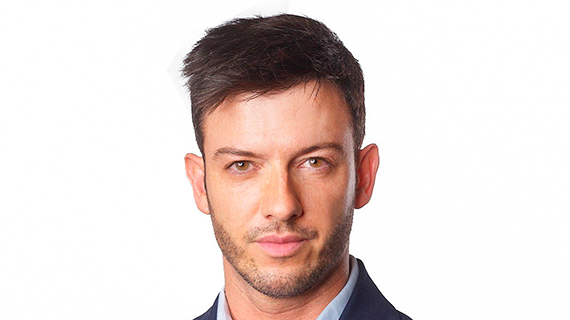
- Head of Clinic at the Department of Periodontology, Oro-Dental and Implant surgery, University Hospital of Liège, Belgium.
- President of the Belgian Society of Periodontology.
- PhD Fellow on the Biological Performance of innovative biomaterials for bone regeneration.
- Co-coordinator of the EFP Postgraduate Program in Periodontology and Implant dentistry at the University of Liège.
- Clinical work exclusive in Periodontology, Implantology, guided bone regeneration and mucogingival surgery.
Nationality: Portugal
Scientific areas: Implantology
8 of november, from 17h30 until 18h05
Auditorium A
Conference summary
The long-term success of dental implants depends not only on osseointegration but also on the establishment and maintenance of a stable soft tissue interface, referred to as mucointegration.
This mucosal seal plays a crucial biological role in protecting the underlying bone from bacterial invasion and mechanical trauma, while also contributing to the aesthetic and functional outcomes of implant rehabilitation.
A critical factor influencing mucointegration is the biological quality and quantity of the peri-implant soft tissues. The presence of thick and keratinized tissue has been associated with enhanced soft tissue stability, reduced inflammation, and improved patient-reported outcomes.
Equally important is the selection of transmucosal materials and the design of abutments. A growing body of evidence highlights that surface properties, topography, and chemical composition of abutments significantly influence the cellular response of the peri-implant mucosa.
Materials such as titanium, zirconia, PEEK, lithium disilicate, and polymer-based components demonstrate varying effects on epithelial adhesion, connective tissue orientation, and immune cell infiltration.
Recent clinical models have enabled direct histological evaluation of peri-implant soft tissues in human subjects.
These approaches, combining immunohistochemical and histomorphometric analyses, have revealed distinct profiles of inflammatory cell infiltration, vascularization, and soft tissue architecture across different materials and surface treatments offering valuable insights into their biological performance.
This presentation will explore the multifactorial aspects of mucointegration, with a focus on how surgical techniques, soft tissue optimization, abutment material selection, and surface design contribute to improved integration of transmucosal components and long-term peri-implant tissue stability.