Ali Cekici
Treating periodontal disease without surgery: what does that mean?
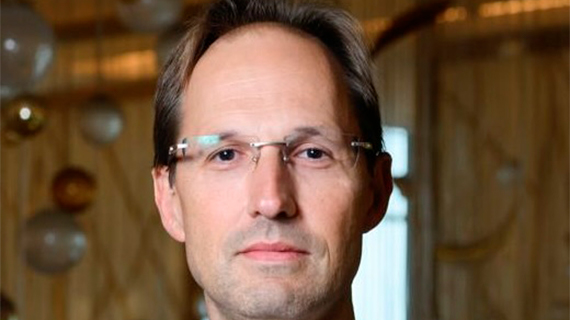
- Prof. Ali Cekici completed his Ph.D. at the Department of Periodontology, Faculty of Dentistry, Istanbul University, in 2007.
- Prof. Cekici completed his two-year postdoctoral research at The Forsyth Institute in Boston, USA, in 2012.
- Currently, he serves as a professor at the Department of Periodontology, Faculty of Dentistry, Istanbul University.
- His publications have been cited over 2,000 times in international peer-reviewed journals.
- Prof. Cekici also holds key leadership roles as the President of the Turkish Society of Periodontology and as a member of the Scientific Affairs Committee of the European Federation of Periodontology (EFP).
Nationality: Turkey
Scientific areas: Periodontology
6 of november, from 14h30 until 16h00
Room 1
Conference summary
Non-surgical periodontal therapy has evolved significantly, offering powerful, evidence-based strategies to manage periodontitis. But what does “treating without surgery” truly mean in modern day dental practice—and where do its limits lie?
This lecture will explore the foundations, clinical goals, and expected outcomes of non-surgical periodontal treatment. Emphasis will be placed on the biological rationale behind non-surgical treatment approaches, regarding newest guidelines.
Clinical decision-making will be addressed: when is non-surgical therapy sufficient, and when should surgical intervention be considered? offering guidance on patient selection, risk assessment, and response monitoring.
Designed for both general practitioners and periodontology specialists, this session aims to bridge the gap between daily practice and current scientific evidence, promoting effective, minimally invasive strategies for long-term periodontal health.
Parceiro