Virgínia Santos
New Sectoral Competences in Dentistry: Orofacial Harmonization in dentistry
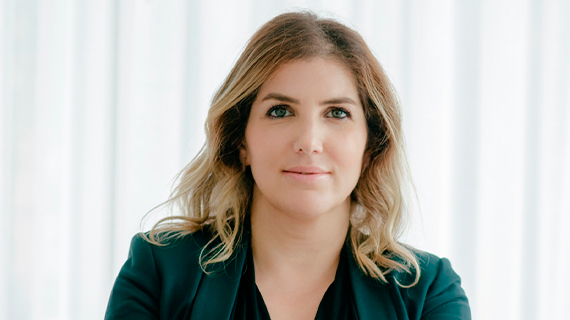
- Assistant Professor, Department of Oral Rehabilitation, Faculty of Dental Medicine, University of Lisbon, Portugal.
- PhD in Biomaterials, Faculty of Dental Medicine, University of Lisbon, Portugal.
- Master’s Degree in Restorative and Aesthetic Dentistry, Egas Moniz School of Health Sciences, Portugal and Postgraduate Degree in Oral Rehabilitation, Faculty of Dental Medicine, University of Lisbon, Portugal.
- Postgraduate Degree in Aesthetic and Anti-Aging Medicine, Complutense University of Madrid, Spain, and Postgraduate Degree in Mesotherapy, Portuguese Academy of Aesthetics / Skin Academy Barcelona, Spain.
- Postgraduate Degree in Ozone Therapy, Instituto Superior de Gestão e Administração de Santarém, Portugal.
- President and Member of the Scientific Council of the Portuguese Association for Orofacial Harmonization and Therapeutics.
- Member of the Executive Council, Portuguese Dental Association.
- Coordinator, Working Group on Sectoral Competencies, Portuguese Dental Association.
- Researcher, Biomedical and Oral Sciences Research Unit, Faculty of Dental Medicine, University of Lisbon, Portugal.
- Author of national and international publications in the fields of biomaterials, oral rehabilitation, and facial aesthetics.
Nationality: Portugal
Scientific areas: New Sectoral Competences in Dentistry
8 of november, from 17h30 until 18h15
Room 2
Conference summary
Orofacial Harmonization has become a central and undeniable area within dentistry, representing a natural evolutionary step of the profession.
It combines science, aesthetics, and functionality, reinforcing the dentist’s role as an integrated professional in the comprehensive care of orofacial health.
It encompasses a set of procedures aimed at restoring functional and aesthetic harmony of the orofacial region, thus improving patients’ quality of life. Through specific techniques and materials, it is possible to correct asymmetries, enhance facial proportions, and revitalize tissues, always respecting the individuality and morphological harmony of each face.
Its applicability in dentistry is increasingly evident, not only due to anatomical proximity and the in-depth knowledge of oral and perioral structures, but also because of its close interconnection with other areas of dental practice.
This lecture will provide a broad perspective on Orofacial Harmonization in the context of Dentistry, addressing both its clinical practice and its official recognition as a sectoral competence by the Portuguese Dental Association.
The access requirements for the Sectoral Competence in Orofacial Harmonization will be outlined, together with its functional scope and the limits established for its practice.
In addition, the general and special application processes will be explained, enabling colleagues to clearly understand the steps and evaluation criteria involved in obtaining this professional qualification.
The aim of this session is twofold: firstly, to highlight the clinical and scientific relevance of Orofacial Harmonization in contemporary dentistry, and secondly, to clarify the professional and regulatory framework that underpins its practice.
This will be an opportunity for all colleagues to gain a clear and objective understanding of the potential and limits of Orofacial Harmonization, as well as the pathways to obtaining the competence that legitimizes it within the scope of dental practice.