Maria Llanes
The role of the dental assistant in optimizing the consultation of the geriatric patient
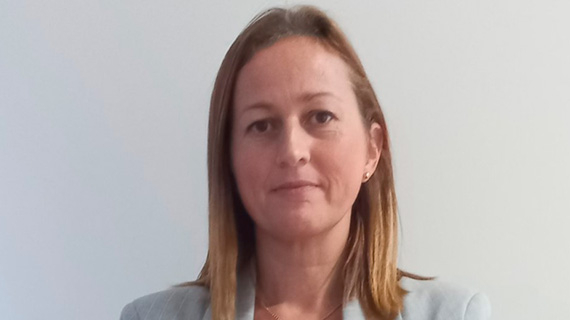
- Dentist (DDS) from UAX in 2004.
- PhD from Complutense University of Madrid in 2013.
- Specialist in Preventive Dentistry from Complutense University of Madrid in 2005.
- Master’s in Implantology from Straumann in 2006.
- Diploma from the Spanish Society of Periodontology and Implants in 2016.
- Visiting Assistant Professor of Medicine at the University of Algarve in 2014 and 2019.
- Teaching collaboration in Epidemiology and Public Health at Complutense University of Madrid from 2004 to 2013.
- Author and co-author of various works published in journals, conferences, and books.
Nationality: Spain
Scientific areas: Dental assistant course
23 of november, from 09h00 until 10h30
Auditorium C
Conference summary
The role of the dental assistant in optimizing the consultation of geriatric patients is of utmost importance to ensure that elderly individuals receive the best possible dental care. Geriatric patients often face a range of oral health challenges due to aging, underlying medical conditions, and even a lack of regular access to dental care. In this context, the dental assistant plays a crucial role in facilitating effective communication between the elderly patient and the dentist, preparing the clinical environment to accommodate the patient’s specific needs, and providing physical and emotional support throughout the process.
One of the challenges we will address when treating geriatric patients is reduced mobility, which often results in the need for a wheelchair. The dental assistant plays a fundamental role in facilitating the mobilization of these patients, ensuring that the environment is accessible and safe. This may include removing obstacles from the wheelchair’s path, adjusting the height of the dental chair to facilitate access, and providing physical support during the transfer of the patient from the wheelchair to the dental chair.
Additionally, it is crucial for the dental assistant to be prepared to manage the anxiety that many geriatric patients may experience during consultations. We will address aspects such as empathetic communication and establishing a trusting relationship, which are essential for reassuring these patients and ensuring a more positive experience.
Furthermore, the dental assistant plays an important role in raising awareness about ageism, a bias based on age that can influence perceptions and treatment of the elderly. It is crucial to recognize that aging is not a direct indication of inevitable oral health problems, such as tooth loss. On the contrary, it is essential to adopt a proactive approach to the oral health of the elderly, emphasizing prevention, maintenance, and, when necessary, appropriate treatment.
In preparing for the consultation, certain aspects should be considered, such as reminding the elderly patient or their caregiver to bring medication and a complete medical history. This information is essential to ensure personalized and safe care, taking into account any health conditions or medications that may interfere with dental treatment.
After the consultation, the dental assistant should confirm that the patient is well, without dizziness or bleeding, and offer literacy and educational advice to promote healthy oral hygiene habits at home. This may include guidance on brushing techniques and the use of interdental brushes, as well as suggestions for hygiene techniques appropriate for the patient’s age.
In summary, the dental assistant plays a multifaceted role in optimizing the consultation of geriatric patients. From facilitating mobility and accessibility to promoting awareness about ageism and providing personalized care, the dental assistant is essential in ensuring that elderly patients receive the dental care they need and deserve.