Jorge Leitão Santos
Prevention and treatment of radiation-induced mucositis: a radiation oncologist's perspective
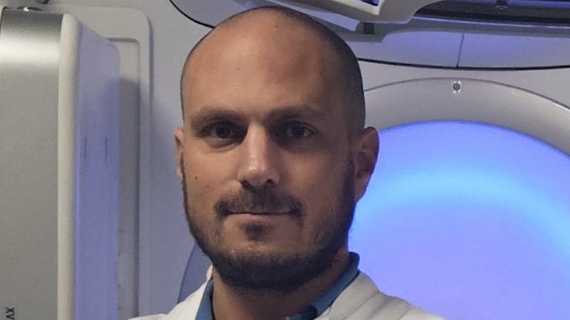
- Master’s Degree in Medicine, University of Lisbon – Faculty of Medicine.
- Radiation Oncologist, ULS Santa Maria. Expertise in head & neck, lung and haematological malignancies.
- Member of Board, College of Radiation Oncology, Portuguese Medical Association.
- Quality Manager, Radiation Oncology Unit (ULS Santa Maria).
- Invited Lecturer, University of Lisbon – Faculty of Medicine.
Nationality: Portugal
Scientific areas: Therapeutics
23 of november, from 09h00 until 10h15
Room 1
Conference summary
The treatment of head and neck tumors is associated with acute and late side effects of varying degrees, which can severely compromise the patients’ quality of life.
Mucositis, a multifactorial pathophysiological process characterized by inflammation and ulceration of the mucous membranes, stands out among these effects due to its debilitating consequences for patients and their compliance with treatments. Clinically, it is characterized by pain, dysphagia/odynophagia, and an increased risk of infection, which can lead to malnutrition and dehydration.
In this context, various prevention strategies have been studied, with varying levels of scientific evidence and recommendation. In addition to oral hygiene care, notable strategies include cryotherapy, low-energy laser, a mimetic molecule of dismutase, and a keratinocyte growth factor, as well as other investigational strategies.
Supportive therapies for patients with radiation-induced mucositis are also essential to ensure treatment tolerance. It is crucial to provide proper pain management, to maintain adequate hydration and nutrition, and to treat any infectious processes. Several pharmacological and non-pharmacological strategies are also under investigation for the treatment of mucositis.