João Albernaz Neves
Endodontic documentation and records
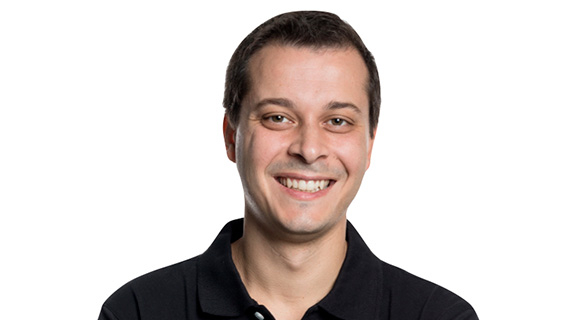
- Master’s Degree (M.Sc) in Dentistry from ISCSEM (Almada, Portugal) in 2010.
- Postgraduation in Endodontics (B-Learning) from FMDUL (Lisboa, Portugal) in 2017.
- PhD student in Biomedical Sciences in IUEM (Almada, Portugal) since 2019.
- Guest Lecturer in MDC (Endodontics) in IUEM (Almada, Portugal).
- Lecturer in the Postgraduation program (ECI) in IUEM (Almada, Portugal).
- Author and co-author of several published papers, scientific posters and oral communications.
- Exclusive practice in Endodontics since 2013.
- Exclusive practice with operating microscope since 2017.
Nationality: Portugal
Scientific areas: Endodontics, Endodontics
22 of november, from 18h05 until 18h40
Auditório B
Conference summary
Endodontic treatment plays a crucial role in preserving natural teeth and supporting rehabilitation procedures.
To ensure the success and longevity of endodontic treatment, it is essential that dentists keep thorough documentation and records.
These provide a detailed account of the patient’s dental history and treatment progression. This information facilitates effective communication between dental professionals, as well as being a legal and ethical requirement, as it provides proof of the treatment carried out, ensuring the responsibility and protection of both the patient and the dentist.
In addition, detailed documentation is crucial for clinical research and education, supporting evidence-based practice and providing valuable information for case presentations.
It allows the evaluation of treatment results, the identification of trends and patterns and the improvement of future techniques, as well as assessing the success of endodontic treatment as it allows the success rates of different procedures to be determined, which is valuable for both the dentist and the patient.
In addition, comprehensive records can help identify any potential complications or areas for improvement in the treatment process, ultimately leading to better patient care and treatment results.
Detailed records, including radiographs, of endodontic treatments become invaluable resources for forensic dentistry.
These records capture unique anatomical features and can provide positive forensic identification. Essentially, complete endodontic documentation becomes a silent witness, potentially aiding investigations and closing difficult cases.
In conclusion, meticulous maintenance of endodontic documentation and records is indispensable for providing high-quality care, ensuring accountability, advancing clinical research, and supporting evidence-based practice. It is an integral aspect of providing comprehensive and effective endodontic treatment.