Francisco Fernandes do Vale
Orthognathic surgery when aesthetics is the patient's priority
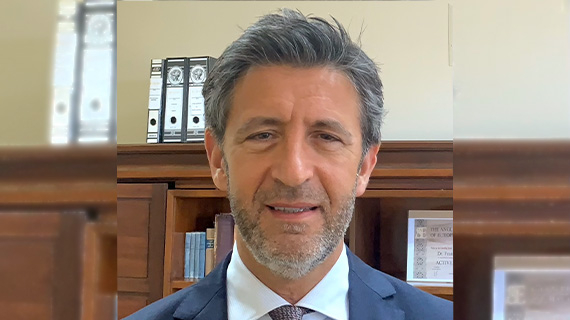
- Professor at the Faculty of Medicine of the University of Coimbra (FMUC), head of the Dental Medicine Department at FMUC, and Head of the Integrated Master’s Degree in Dental Medicine (MIMD) at FMUC.
- Head of the FMUC Orthodontics Institute, coordinator of the FMUC Postgraduate Programme in Orthodontics, and coordinator of the FMUC Orthodontics/Pediatric Dentistry Teaching Group.
- Member of the board of the Orthodontics College of the Portuguese Dental Association, member of the Scientific Committee of the Portuguese Society of Orthodontics and Dentofacial Orthopaedics.
- Active Member of the Angle Society of Europe (ASE) and country representative of the ASE.
Nationality: Portugal
Scientific areas: Orthodontics
23 of november, from 15h00 until 15h30
Auditório B
Conference summary
Facial aesthetics strongly influence personal and professional relationships, especially in the school and professional environment, from childhood to adulthood. Although severe dento-facial deformities also present severe malocclusions, with a strong impact on the functioning of the stomatognathic system, patients with this condition seek orthognathic surgical treatment essentially with the aim of improving facial and dental aesthetics.
Understanding the patient’s perspective when choosing treatment is fundamental to providing more personalised and effective healthcare, as well as ensuring that their needs, preferences, and concerns are taken into account throughout the therapeutic process.
In this lecture, using practical examples and the best scientific evidence, the influence of orthognathic treatment on the patient’s quality of life will be addressed, with a focus on their expectations and results related to improved facial aesthetics, self-esteem, and social interaction.