Francesc Abella
Endodontic digital workflow
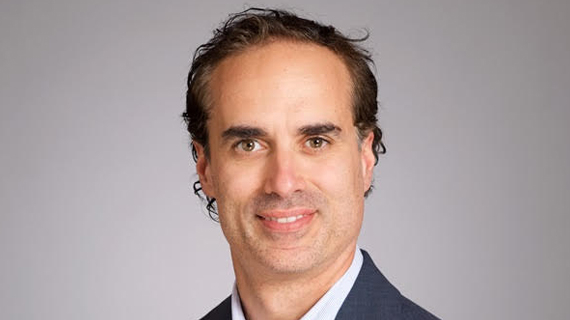
- Graduated in 2005 in dentistry at the Universitat Internacional de Catalunya (Barcelona, Spain).
- Professor and the Director of the European Master’s Degree in Endodontics (program accredited by the European Society of Endodontology).
- In clinical endodontics his areas of special interest include cone-beam computed tomography (CBCT) in Endodontics, microcomputed tomography, dental anatomy, dental traumatology, periapical pathology, adhesive restorations, restoration of root-canal-treated teeth, and autotransplantation and replantation techniques.
- Author of several papers in peer-reviewed journals.
- Part of the expert committee convened by the European Society of Endodontology (ESE) on the use of CBCT and surgical extrusion, tooth autotransplantation and intentional replantation.
- Active member of the Spanish Association of Endodontics (AEDE).
- Secretary of the Spanish Society of Conservative and Aesthetic Dentistry (SEOC).
Nationality: Spain
Scientific areas: Endodontics
22 of november, from 09h00 until 12h30
Auditorium B
Conference summary
The application of digital technology in dentistry has meant a before and after in the way a multitude of procedures are performed, especially in areas such as orthodontics, prosthodontics, oral and maxillofacial surgery, and more recently, endodontics.
Therefore, the appearance of new devices and tools has allowed us to improve many of the techniques carried out until now, as well as change the way of teaching. These include cone beam computed tomography (CBCT), three-dimensional (3D) printed objects, and haptic simulators. For years, the benefit of using 3D printed objects in different dental disciplines has been proven, both for teaching and managing certain procedures.
The field of Endodontics is no exception, and 3D objects, through adequate digital planning, allow for simpler, minimally invasive, precise treatments, with a shorter response time and, especially, more comfortable for the patient. The main applications of 3D printed models and guides in Endodontics are for the management of calcified root canals, complex cases of endodontic surgeries, and tooth autotransplantation.