Francesc Abella
Tooth autotransplantation
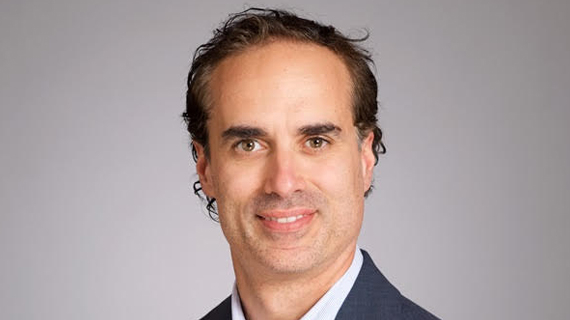
- Graduated in 2005 in dentistry at the Universitat Internacional de Catalunya (Barcelona, Spain).
- Professor and the Director of the European Master’s Degree in Endodontics. (program accredited by the European Society of Endodontology).
- In clinical endodontics his areas of special interest include cone-beam computed tomography (CBCT) in Endodontics, microcomputed tomography, dental anatomy, dental traumatology, periapical pathology, adhesive restorations, restoration of root-canal-treated teeth, and autotransplantation and replantation techniques.
- Author of several papers in peer-reviewed journals.
- Part of the expert committee convened by the European Society of Endodontology (ESE) on the use of CBCT and surgical extrusion, tooth autotransplantation and intentional replantation.
- Active member of the Spanish Association of Endodontics (AEDE).
- Secretary of the Spanish Society of Conservative and Aesthetic Dentistry (SEOC).
Nationality: Spain
Scientific areas: Oral Surgery
21 of november, from 14h30 until 19h00
Auditorium B
Conference summary
Tooth autotransplantation entails extracting a tooth from its original site to place it in an edentulous zone, whether it is a post-extraction socket or a surgically prepared socket. This technique was developed as a therapeutic option for teeth loss due to trauma, decay, or congenital tooth agenesis, yet fixed dental prostheses and, above all, dental implants, saw its use decline among clinicians.
Decades of problems and complications with implantology have led to a reevaluation of tooth preservation and traditional clinical techniques. Furthermore, alveolar growth in the anterior maxilla does not stop after pubertal growth peak but continues throughout the patient’s life.
Although this growth is more pronounced in the second and third decades of life, it continues in the fourth and fifth decades. As a result, implant placement in the anterior zone can produce an esthetic compromise due to an implant infraposition caused by progressive growth of the alveolar process in the neighboring teeth and a lack of periodontal ligament (PDL) in the dental implant.
It is recommended therefore to avoid or at least limit implant placement in growing patients, as implants would end up in infraposition. Hence, the steady rise in autotransplantation in recent years.
In this presentation, we will see the most relevant scientific literature on this topic, as well as various clinical cases in which the application of digital flow has allowed us to improve the prognosis of autotransplantation of donor teeth with both open and closed apex.