Ana Pragosa
Orthodontics focused on patients’ aesthetics goals | Prosthetic rehabilitation combined with orthodontics. Is it possible to maintain aesthetics in the long term?
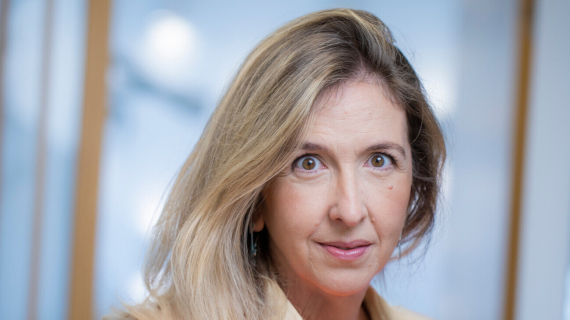
- DDS, Lisbon University School of Dentistry, 1999.
- Post-graduation in Oral Rehabilitation, NYU-CE, 2006.
- Guest Assistant of Occlusion and DTM, Lisbon University School of Dentistry, 1999-2011.
- Clinical Director and founder of Vitra Clinic in Lagoa, Algarve – clinical practice dedicated to prosthodontics and oral rehabilitation.
- Author and co-author of scientific articles in national and international journals.
Nationality: Portugal
Scientific areas: Orthodontics
23 of november, from 18h00 until 18h30
Auditório B
Conference summary
In the context of dentistry today, the challenges faced by all of us as health professionals are increasingly difficult to achieve. Managing aesthetic expectations while simultaneously ensuring functional and long-lasting oral rehabilitations, forces us to resort to multiple areas and specialties and many times to planning for multiple phases of treatment, while taking into consideration, not only the physical well-being, but also the social integration of our patients. Thus, the multidisciplinary approach to oral rehabilitation is a must in the clinical practice of all of us.
What points should be considered when planning a rehabilitation involving the aesthetic area? How can we combine orthodontics and prosthodontics in the search for the best outcome for patients?
There is no doubt that the convergence of orthodontics and prosthodontics in the context of oral rehabilitation allows us to achieve and maintain long-term aesthetic results, providing patients with the desired results. But in today’s world, where immediacy reigns, how can we manage expectations, ensure comfort and achieve this result without compromising the longevity of our treatments?