Xavier Vela Nebot
How to get soft tissue stabilization at the abutment level
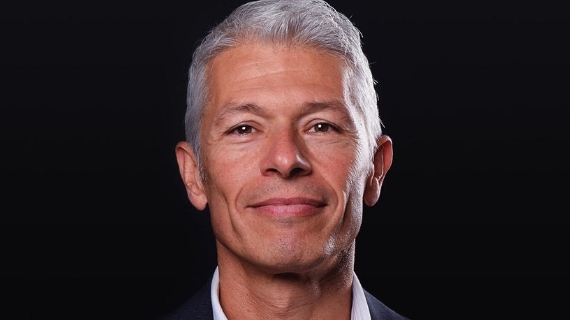
- Degree in Medicine (1989) and Dental Medicine (1992), both from Barcelona University.
- Private practive in Barcelona (Sant Celoni y Viladecans) exclusively in implants and esthetic dentistry since 1992.
- As co-founder and head of the BORG implantology study group since 1995, as participated in numerous articles and international conferences within multidisciplinary esthetic dentistry and oral rehabilitation, in claboration with univsersities in Barcelona, Madrid, Kyoto, Turín, New York and Murcia.
- Several international conferences, among wich stand out those held at American Society of Periodontology (Honolulu, AAP 2011), European Academy of Esthetic Dentistry (Creta, EAED 2013), and American Association of Esthetic Dentistry (AAED Califórnia 2016), among others.
- He is a visiting professor at the Departments of Implantology of the European University of Madrid (UEM) and the International University of Catalonia (UIC), and Head of Clinic at the BORG Center, where he teaches the BOPT protocol to clinicians and laboratory technicians, in uninterrupted courses since 2012.
- He is currently an implantology and prostheticss consultant at Sweden&Martina.
Nationality: Spain
Scientific areas: Implantology
11 of november, from 09h00 until 13h00
Auditorium A
Conference summary
The transmucosal part of implant-supported rehabilitation is the area that will determine the future of our cases in terms of aesthetics and stability of peri-implant tissues.
The conical form of restoration in this area allows to guide the tissues coronally and helps to avoid gingival recession and peri-implantitis, achieving the protection of the peri-implant bone and even its growth over time.
We will discuss the biological principles that suport that concept, as well as it´s clinical aplications.
Bronze sponsor
Bronze sponsor