Miguel Arriaga
Results and learnings from the social innovation initiative 'Eat Well, Smile Better'
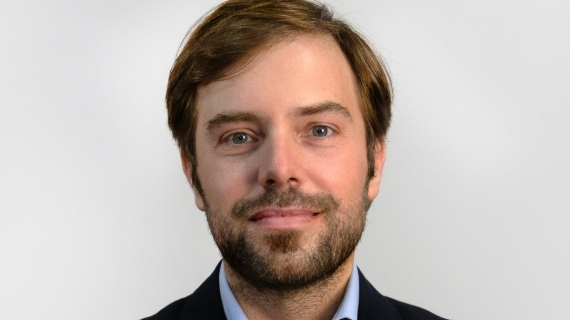
- Head of the Division of Literacy, Health and Well-being at Portugal’s Directorate-General of Health.
- He holds a PhD in Psychology and a Master’s in Clinical and Health Psychology.
- Specialist in psychosocial intervention in crisis and emergency situations, in crisis communication and risk communication.
- Work and coordination of projects in the areas of Health Promotion, Health Literacy, Criteria for Defining Good Practices in Health Promotion and Implementation of Health Policies.
Nationality: Portugal
Scientific areas: On Our Agenda (social innovation)
9 of november, from 17h30 until 19h00
Room 1
Conference summary
The “Eat Well, Smile Better” initiative, promoted by the Portuguese Dental Council in partnership with the Nutritionists Council, aims to combat poverty through Social Innovation and Entrepreneurship. It is funded by European structural funds and investments from Colgate and the Viseu Dão Lafões Intermunicipal Community (CIM). The project benefited 4,887 students in the 1st to 4th grades from schools located in 14 municipalities with low population density.
A multidisciplinary team, including dentists, a dental assistant, a nutritionist, and a sociocultural animator, conducted actions to promote oral health and nutrition literacy. Each student underwent a caries risk assessment based on the CAMBRA® protocol (Caries Management by Risk Assessment). Students with “high risk” and “extreme risk” scores were re-examined after a few months. Lifestyle and literacy questionnaires were administered in digital format, and legal guardians received personalized reports and guidance.
Individualized literacy activities, games, and educational activities were designed to overcome the “knowledge gap” thesis, which teaches us that uniform classroom actions benefit those who start from better conditions, thus increasing health inequalities. The results include the assessment of 4,887 children, 9,735 consultations, and the distribution of 6,202 oral health kits. An evaluation by the Catholic University showed that 48.5% of children reduced their risk of cavities. Materials for use by healthcare professionals and the school community were developed, and efforts were made to improve students’ quality of life and reduce health inequalities.