José Barros
Hands-on: Absolute Anchorage: the use of mini-implants in orthodontic treatment
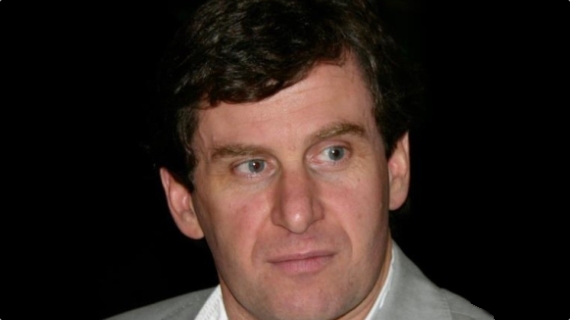
- Degree in Dental Medicine – FMDUP.
- Medical Degree – FMUP.
- Post-Graduate Orthodontics – CETRO, Paris.
- Post-Graduate Orthodontics – Gnathos, Lisboa.
- Post-Graduate in Oral Implantology – Pierre Fauchard, Madrid.
- Lecturer, Postgraduate course in Orthodontics and Orthognathic Surgery – Gnathos, Lisbon.
- Visiting Professor, Postgraduate and Masters in Orthodontics and Orthognathic Surgery – FMUP.
- Guest Assistant Master’s Degree in Orthodontics and Orthognathic Surgery – FMUP.
Nationality: Portugal
Scientific areas: Hands-on (Orthosmile)
10 of november, from 09h30 until 18h00
Room 5
Conference summary
Anchorage, which can be defined in orthodontics as the resistance to unwanted tooth movement, is undoubtedly the major handicap of conventional orthodontic mechanics which, using intraoral or intermaxillary devices or extraoral appliances, makes successful treatment dependent on patient cooperation, which is often insufficient.
Thus, contemporary orthodontics resorts to the use of transitional anchorage devices (TADs), namely mini-implants, which are used to make selective tooth movements, providing skeletal anchorage that eliminates unwanted movement of the reaction unit, making orthodontic force more efficient and, consequently, shorter treatments.
In this hands-on course, the most common clinical procedures will be covered and put into practice on models, with the aim of conveying the simplicity of installation and the objectivity of the result, without, however, neglecting the essentials of diagnosis and planning.
Bronze sponsor