Eddy De Valck
Hands-on | Forensic dentistry
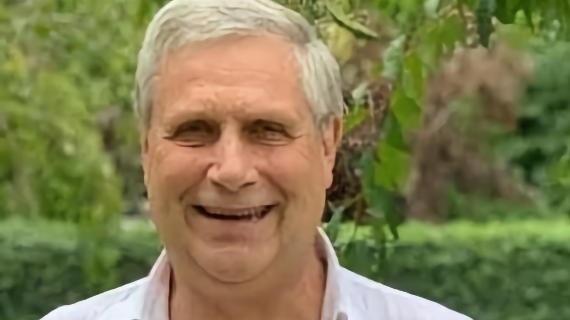
- Master of dental Sciences Catholic University Leuven 1977, School for Criminology Ministry of Justice Belgium 1979 and Legal Expert at Law School State University Ghent 2000.
- Participated in about 20 major disasters ( train- plane – boat disasters, Tsunami 2004 Phuket, 2014 MH 17, 2016 Brussels Terrorist attacks, 2021 Floodings Belgium) since 1987 as Chief forensic odontologist DVI team Federal Police Belgium.
- Past President IOFOS (International Association Forensic Odonto Stomatology) 1999-2002.
- Deputy Chair Scientific, Interpol DVI Standing Committee 2001 -2006.
- Guest Professor in Under – and Postgraduate training courses on
- Forensic odontology and mass disaster management. Trainer in DVI management programs.Lecturer/ Examinator at the Academy of Forensic Medical Sciences, London, UK. Board Member of ETAF-DVI.
- Author and co-author of textbooks on forensic odontology and legal medicine Reviewer on forensics odontology and DVI for numerous international scientific journals.
Nationality: Belgium
Scientific areas: Hands-on (OMD)
11 of november, from 09h30 until 18h00
Room 4
Conference summary
The identification of unknown human remains or a body by comparative dental analysis requires the submission of supporting documentation from the dental provider (s) who treated the patient, the missing person, as well as careful documentation of the unidentified remains or the unidentified body. Human Identification by dental analysis is the comparison of oral maxillofacial structures.
The procedures to reconcile this information (e.g., radiographs, charts, and progress notes) have been outlined by numerous forensic organizations including the International Organization of Forensic OdontoStomatology (IOFOS), American Board of Forensic Odontology (ABFO), British Association of Forensic Odontology (BAFO), INTERPOL’s DVI Steering Committee and Forensic Odontology Subcommittee as well as many others.
The process of identification is accomplished by conducting a thorough postmortem dental examination, the collection of antemortem dental and medical records, and the comparison of the postmortem evidence with the antemortem record.
The goals of this hands-on are:
- To provide the best available current information on the best practices recommended by the forensic odontology community. It includes already published guidelines on how to obtain comparative forensic dental data as well as the recommended methodologies to reconcile that data in order to establish an identification by comparative dental analysis.
- To create awareness and education for the dental practitioner on the forensic odontology identification process as well as understand what information may be required should the need for them to participate occurs.