Pedro Cruz
Treatment planning in endodontics
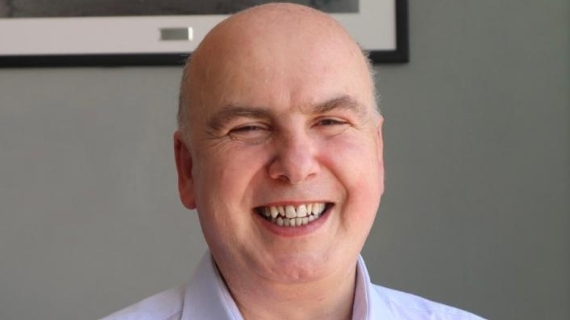
- Degree in Dental Medicine (1988)
- Master of Science in Endodontics (2010)
- Clinical Assistant Professor of Endodontics at FMDUL since 1997
- Clinical Assistant Professor of the specialization in Endodontics at FMDUL since 2010
- Pioneer, in Portugal, in the System B technique (94) and use of the Microscope in Endodontics (95)
- Student Visitor at Pennsylvania University in 1995
- Clinical practice exclusive in Endodontics and Implantology (surgical phase)
- Coordinator of a course “Clinical Endodontics” between 2006 and 2018
Nationality: Portugal
Scientific areas: Endodontics
18 of november, from 09h45 until 10h30
Auditorium B
Conference summary
There has been a revolution in Dentistry in the last 25 years, and Implantology and Endodontics are a good example.
Nevertheless, although nonsurgical endodontic treatment and surgical microendodontics gives good results in most cases where periapical lesions of endodontic origin are present, the clinician quite often extract the teeth involved.
This approach can lead to marked alveolar bone crest collapse, mainly in the cases where nothing is done to avoid this, and may compromise implant placement that ultimately will be disadvantageous to our patients.
In fact, Endodontics has now evolved into Microendodontics and by using state-of-the-art equipment, instruments and materials that match biological concepts, used with clinical practice, it is now possible to produce predictable outcomes in the healing of most of the lesions of endodontic origin, and obtain success rates similar to those of implantology.
In many situations, clinical decision making is difficult and patient preferences become very important.
Besides the absolute and relative indications for tooth extraction, guidelines will be presented to help the dentists better plan several clinical situations.
Therefore, several clinical cases will be presented, through slides and videos, which will help to better understand the limits and the new horizons of current clinical endodontics (conventional and surgical).